Frontgate Towels: A Comprehensive Washing Guide
Maintaining the plushness and longevity of your Frontgate towels requires diligent care; gentle washing with mild detergents in cold water is paramount for optimal results.
Understanding Frontgate Towel Materials
Frontgate offers a diverse range of towel collections, each crafted from distinct materials impacting washing needs. The renowned Resort Collection primarily features long-staple cotton, celebrated for its exceptional absorbency, softness, and durability. Understanding this composition is crucial, as cotton responds best to gentle handling.
Other collections may incorporate Egyptian cotton, Turkish cotton, or even blends. Egyptian cotton, known for its extra-long fibers, demands similar delicate care to maintain its luxurious feel. Turkish cotton, while also absorbent, can benefit from avoiding harsh detergents. Blends often combine the benefits of different fibers, but always prioritize the most sensitive material when selecting washing parameters.
Knowing your towel’s material dictates water temperature, detergent choice, and drying methods, ensuring your Frontgate towels remain soft, fluffy, and vibrant for years to come. Always refer to the care label for specific guidance related to your particular towel set.
Identifying Your Frontgate Towel Collection
Accurately identifying your Frontgate towel collection is the first step towards proper care. Frontgate offers several lines, including the popular Resort Collection, known for its plushness and high customer ratings – boasting over 11,000 five-star reviews. Other lines include more lightweight options, and variations in weave and fiber content;
Check the towel’s label; it will specify the collection name and fiber composition. This information is vital, as different materials require different washing approaches. If the label is missing, examine the towel’s weight and texture. Resort Collection towels are notably thick and absorbent.
Frontgate’s website provides detailed descriptions of each collection, aiding in identification. Knowing whether you have a standard cotton towel, Egyptian cotton, or a blend will guide your detergent selection and washing cycle. Proper identification ensures you follow the recommended care instructions, preserving your towels’ quality.
Pre-Washing Preparations
Before introducing your Frontgate towels to the washing machine, a few preparatory steps are crucial for maintaining their pristine condition. Begin by thoroughly inspecting each towel for any loose threads; trim these carefully to prevent further unraveling during the wash cycle. Next, and importantly, always check the pockets for any forgotten items!
Subsequent preparation involves sorting towels by color – whites with whites, and colors with colors – to prevent dye transfer. Examine each towel for visible stains. Pre-treating stains before washing significantly increases the chances of successful removal. Address any mildew smells promptly, as these can become more stubborn after washing.
Finally, ensure the washing machine isn’t overloaded. Overcrowding restricts water circulation, hindering effective cleaning and potentially damaging the fibers. These simple steps set the stage for a gentle and effective wash.
Sorting Towels by Color
Effective color sorting is a foundational step in preserving the vibrancy of your Frontgate towels. This practice prevents unwanted dye transfer, ensuring your whites remain brilliantly white and your colored towels retain their original hue. Always separate towels into distinct piles: whites, light colors, and dark colors.
New towels, particularly those with vibrant dyes, should be washed separately for the first few washes. This minimizes the risk of color bleeding onto other items. Even within color groups, consider separating very dark shades from lighter ones.
Pay close attention to towels with patterned designs, as the dyes in the pattern may bleed. When in doubt, err on the side of caution and wash similar shades together. Proper sorting safeguards against discoloration and maintains the overall aesthetic appeal of your Frontgate towel collection.
Checking for Stains and Pre-Treating
Before washing your Frontgate towels, a thorough inspection for stains is crucial. Addressing stains before machine washing significantly increases the chances of complete removal, preventing them from setting into the fibers. Identify any blemishes – makeup, lotion, or other marks – and treat them promptly.
For minor stains, a small amount of mild detergent applied directly to the affected area can be effective. Gently rub the detergent into the stain and allow it to sit for 15-30 minutes. For more stubborn stains, consider a stain remover specifically designed for fabrics, following the product’s instructions carefully.
Always test any stain remover in an inconspicuous area of the towel first to ensure it doesn’t cause discoloration. Rinse the pre-treated area thoroughly with cool water before proceeding with the regular wash cycle.
Washing Instructions: The Gentle Cycle
Utilize the gentle cycle on your washing machine, paired with a mild detergent, to preserve the luxurious texture and vibrant colors of your Frontgate towels effectively.
Water Temperature: Cold Water is Key
When it comes to washing your Frontgate towels, maintaining the integrity of the fibers and preventing fading hinges on one crucial element: water temperature. Experts consistently recommend washing these luxurious towels in cold water. This isn’t merely a suggestion; it’s a cornerstone of preserving both the softness and the rich coloration that Frontgate towels are known for.
Hot water can be surprisingly damaging. It causes the cotton fibers to shrink and become stiff, diminishing the plush feel you initially enjoyed. Furthermore, hot water accelerates dye release, leading to noticeable fading over time. Cold water, conversely, gently cleanses the towels without compromising their structure or vibrancy.
Think of it this way: cold water is a protective embrace, while hot water is a harsh stress test. By consistently choosing cold water for your Frontgate towel washes, you’re investing in their long-term beauty and performance, ensuring they remain a comforting indulgence for years to come. It’s a simple change with a significant impact!
Detergent Selection: Mild is Best
Choosing the right detergent is paramount when caring for your Frontgate towels, and the guiding principle is simple: mild is best. Harsh chemicals and strong detergents can strip the fibers of their natural oils, leading to a rough, less absorbent texture and accelerated wear. Frontgate specifically recommends using a mild detergent formulated for delicate fabrics.
Avoid detergents containing bleach, optical brighteners, or fabric softeners, as these can compromise the towel’s softness and color. Instead, opt for a gentle, fragrance-free formula designed for sensitive skin or baby clothes. These detergents effectively clean without the damaging side effects.
Using too much detergent is also detrimental. Excess residue can build up in the fibers, making the towels feel stiff and reducing their absorbency. Follow the detergent manufacturer’s instructions carefully, using only the recommended amount for your load size. A little goes a long way in preserving the luxurious quality of your Frontgate towels!
Load Size: Avoiding Overcrowding
Maintaining optimal washing performance for your Frontgate towels hinges on avoiding overcrowding within the washing machine. While it’s tempting to maximize each load, packing the machine too tightly restricts water circulation and detergent distribution, hindering a thorough clean. Towels need ample space to move freely and rinse completely;
A good rule of thumb is to fill the washing machine no more than one-third to one-half full when washing Frontgate towels. This allows sufficient room for agitation and rinsing, ensuring all detergent is removed and the towels are properly cleaned. Overcrowding can also lead to increased wrinkling and a longer drying time.
Consider washing towels in smaller, more frequent loads rather than attempting to wash a large quantity at once. This approach will yield cleaner, softer, and more consistently well-maintained Frontgate towels, preserving their luxurious feel for years to come.
Drying Your Frontgate Towels
To preserve softness and prevent damage, tumble dry Frontgate towels on low heat or opt for air drying; avoid over-drying for lasting quality.
Tumble Drying: Low Heat Settings
When utilizing a tumble dryer for your Frontgate towels, prioritizing low heat settings is absolutely crucial. High heat can significantly diminish the fibers, leading to a reduction in both softness and absorbency over time. It’s a common mistake that compromises the luxurious feel these towels are known for.
Consider removing the towels while they are still slightly damp; this helps prevent excessive shrinking and maintains their plushness. Over-drying is a frequent culprit in towel stiffness. Regularly cleaning your lint trap is also essential for efficient drying and to prevent potential fire hazards.
Furthermore, avoid using dryer sheets, as these can leave a residue on the towel fibers, reducing their ability to absorb water effectively. If you desire a softening effect, explore alternative methods discussed elsewhere in this guide, such as vinegar. Low and slow is the key to beautifully dried Frontgate towels!
Air Drying: Preserving Softness
For the ultimate preservation of softness, air drying your Frontgate towels is highly recommended. While tumble drying is convenient, it can be harsh on the delicate fibers. Air drying allows the towels to retain their natural fluffiness and absorbency, extending their lifespan considerably.
Ensure adequate ventilation by spreading the towels fully on a clothesline or drying rack. Avoid direct sunlight, as prolonged exposure can cause colors to fade over time. Gently shake the towels after removing them from the washing machine to help fluff the fibers and minimize wrinkles.
If space is limited, consider drying the towels indoors, but ensure the area is well-ventilated to prevent mildew. Air drying is a slower process, but the reward of luxuriously soft towels is well worth the extra time and effort. It’s a gentle approach that truly honors the quality of Frontgate textiles.
Avoiding Over-Drying
Over-drying is a common mistake that significantly impacts the softness and longevity of Frontgate towels. Excessive heat exposure during tumble drying breaks down the cotton fibers, leading to a rough, stiff texture and increased pilling. To prevent this, always utilize low heat settings on your dryer.
Remove the towels while they are still slightly damp – approximately 90% dry – and finish the drying process by air drying. This combination minimizes heat damage while ensuring the towels are thoroughly dry. Regularly cleaning your dryer’s lint trap is also crucial for efficient drying and preventing overheating.
Remember, a slightly damp towel will fluff up beautifully as it air dries, regaining its luxurious softness. Avoiding over-drying is a simple yet effective step in maintaining the premium quality of your Frontgate towel collection for years to come.
Maintaining Towel Softness & Color
To preserve the luxurious feel and vibrant hues of Frontgate towels, consistently wash in cold water and employ gentle detergents for lasting softness.
The Role of Fabric Softener (or Alternatives)
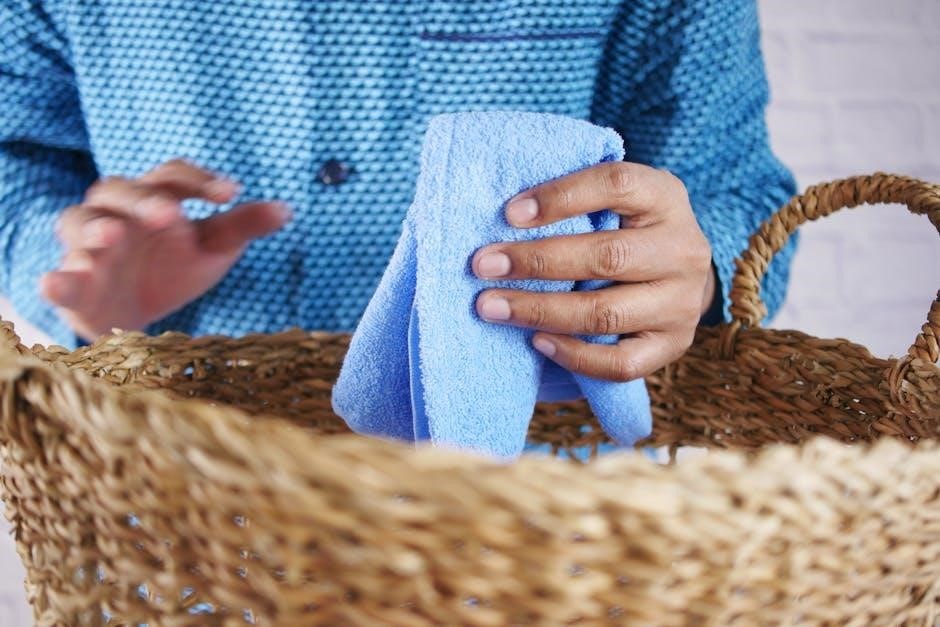
While tempting, traditional fabric softeners can actually reduce the absorbency of your Frontgate towels over time. These products coat the cotton fibers, diminishing their ability to effectively draw in moisture. This coating builds up with repeated use, making towels feel less fluffy and take longer to dry you off.
Fortunately, several excellent alternatives exist. White vinegar, added in a half-cup increment during the rinse cycle, acts as a natural fabric softener, helping to maintain softness without compromising absorbency. It also helps to remove detergent residue, leaving towels fresher. Another option is using wool dryer balls during the drying process; these naturally soften fabrics and reduce drying time.
Consider skipping fabric softener altogether. Frontgate towels, particularly the Resort Collection, are designed to remain soft with proper washing techniques – cold water and mild detergent – without the need for added softening agents. Prioritizing absorbency will ensure your towels perform optimally for years to come.
Vinegar as a Natural Softener
Distilled white vinegar emerges as a remarkably effective and natural alternative to commercial fabric softeners when caring for your Frontgate towels. Adding approximately half a cup to the rinse cycle works wonders in softening fibers without leaving behind any residue that diminishes absorbency – a common issue with traditional softeners.
Vinegar’s mild acidity also helps to dissolve detergent buildup, ensuring a thorough rinse and leaving towels feeling fresher and cleaner. Don’t worry about a vinegar smell; it dissipates completely during the drying process, leaving no trace on your freshly laundered towels.
Furthermore, vinegar can help brighten whites and preserve the vibrancy of colored towels, contributing to their overall longevity. It’s a cost-effective, eco-friendly solution that aligns perfectly with maintaining the luxurious quality of your Frontgate towel investment, promoting both softness and performance.
Preventing Color Fading

To safeguard the rich hues of your Frontgate towels, consistently washing them in cold water is absolutely crucial. Hot water accelerates dye release, leading to noticeable fading over time. Pairing this with a mild detergent, specifically formulated for colors, further minimizes color loss during each wash cycle.
Avoid harsh detergents containing bleach or optical brighteners, as these can strip color from the fibers. When possible, turn towels inside out before washing; this reduces direct friction on the outer surface, preserving the vibrancy of the dye.
Additionally, prompt removal from the dryer – or opting for air drying – prevents prolonged heat exposure, a significant contributor to fading. Following these simple steps will ensure your Frontgate towels retain their beautiful color for years to come, maintaining their luxurious appearance.

Addressing Specific Issues
Stubborn stains and mildew smells require immediate attention; pre-treating stains and ensuring proper ventilation are key to restoring your Frontgate towels’ freshness.
Removing Stubborn Stains

Dealing with persistent stains on your luxurious Frontgate towels requires a delicate yet effective approach. Prompt action is crucial; the longer a stain sits, the harder it becomes to remove. Begin by identifying the stain type – is it makeup, oil, or something else?
For many stains, a pre-treatment with a mild stain remover is beneficial. Gently apply the remover directly to the affected area and allow it to sit for 10-15 minutes. Avoid harsh chemicals like bleach, as these can damage the fibers and fade the color.
After pre-treating, wash the towel on a gentle cycle with cold water and a mild detergent; Inspect the towel before placing it in the dryer; heat can set the stain permanently. If the stain persists, repeat the pre-treatment and washing process. For particularly stubborn stains, consider a specialized enzyme cleaner designed for delicate fabrics. Remember, patience and a gentle touch are key to preserving the quality of your Frontgate towels.
Dealing with Mildew Smell
A musty or mildew smell in your Frontgate towels indicates moisture has been trapped, fostering fungal growth. Addressing this promptly is vital to prevent permanent damage and unpleasant odors. The first step is to re-wash the affected towels, adding one cup of white vinegar to the wash cycle along with your regular mild detergent.
Vinegar’s acidity helps neutralize mildew and eliminate the smell. Ensure a thorough rinse cycle to remove all traces of vinegar. Following the wash, it’s crucial to ensure the towels are completely dried – either in the tumble dryer on a low heat setting or, preferably, air-dried in a well-ventilated area.
To prevent recurrence, always ensure towels are fully dry before storing. Avoid piling damp towels, and consider airing out your linen closet regularly. If the smell persists after multiple washes, a specialized mildew remover formulated for fabrics may be necessary, but always test in an inconspicuous area first.